
Understanding Fatigue in Alaska
A thoughtful, education-focused approach to low energy that works alongside your existing care team. Learn how care works
Photo by Blind Eagel Creative
What Fatigue Can Feel Like
Fatigue can show up in different ways depending on the person and situation. Many people describe feeling tired even after rest, having difficulty concentrating, or noticing their energy drop at certain times of day.
You may notice:
- Waking up tired despite a full night of sleep
- Brain fog or slowed thinking
- Low motivation or reduced stamina
- Fluctuating energy throughout the day
Some patterns change with seasons, stress, or activity levels. You can learn more about how patterns develop over time in our guide to chronic fatigue patterns

Sleep Patterns
Changes in sleep timing or quality, especially with seasonal light variation.
Learn more about sleep and fatigue
Seasonal Factors
Winter darkness and summer daylight shifts can affect circadian rhythm.
Health & Lifestyle
Chronic conditions, stress, and daily routines all influence energy levels.
Why Fatigue Is Common in Alaska
Fatigue in Alaska is often shaped by more than one factor. Environmental conditions, access to care, and seasonal changes all play a role.
- Limited daylight in winter can affect sleep and energy
- Seasonal schedule shifts can disrupt routines
- Travel and weather delays may interrupt follow-up care
- Rural isolation can limit access to consistent support
Fatigue is often not just personal. It reflects the environment and systems around you.
You can explore a broader overview of causes here
Track Your Energy Patterns Over Time
Many people find it helpful to track sleep, energy, and daily routines to better understand fatigue patterns.
A Thoughtful Approach to Understanding Fatigue
Fatigue is often multifactorial. A careful, structured approach can help identify contributing patterns over time.
This may include:
- Reviewing sleep and daily routines
- Identifying seasonal influences
- Coordinating with your primary care or VA provider
- Tracking patterns between visits
Care is consultative and designed to support, not replace, your existing care team.
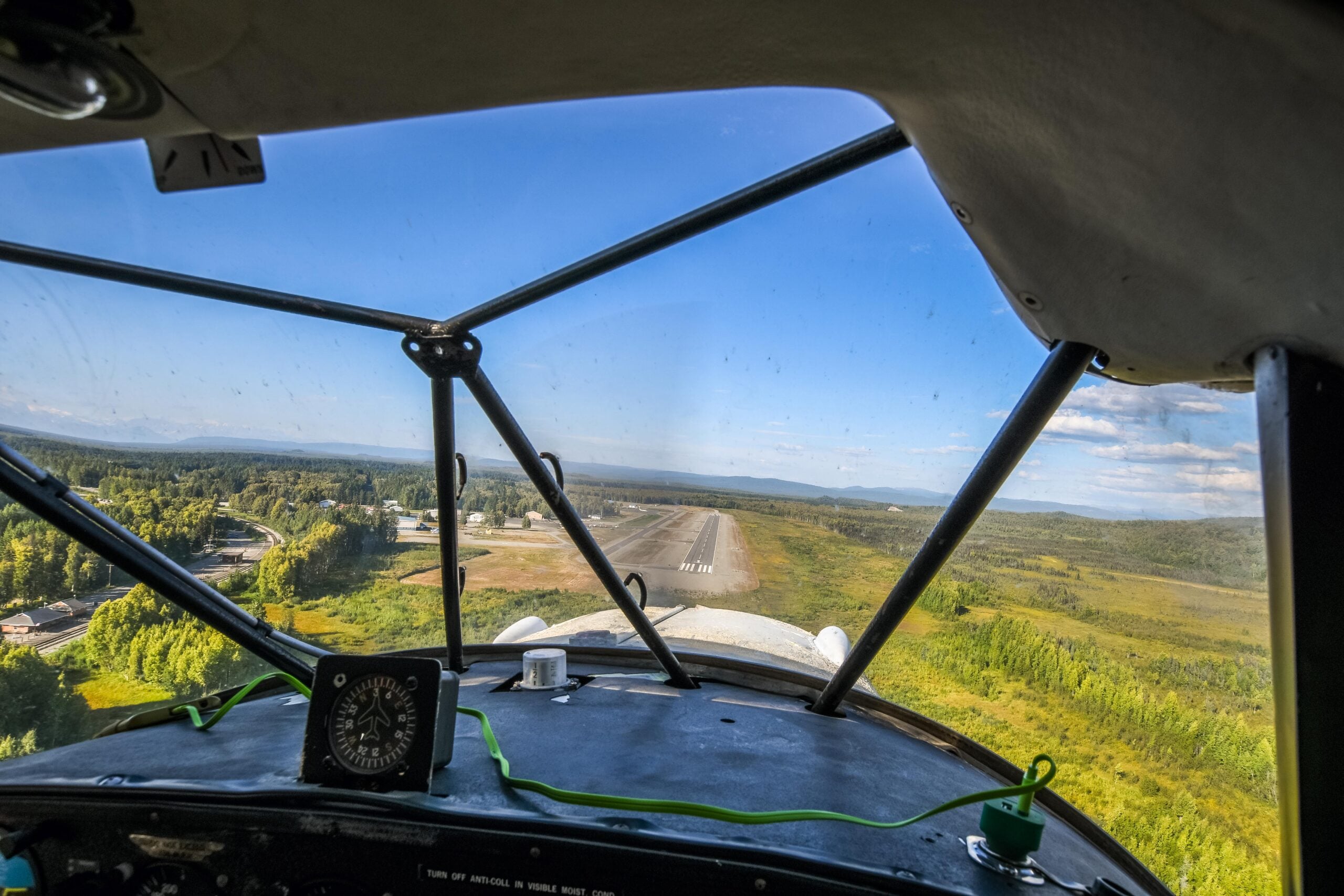
Photo by Blind Eagle Creative
When Fatigue May Need Medical Attention
Seek prompt medical evaluation if fatigue occurs with:
- Chest pain or pressure
- Shortness of breath
- Fainting or near fainting
- Unexplained weight loss or persistent fever
If you experience chest pain, difficulty breathing, or fainting, seek emergency care immediately.
For additional guidance on when to seek evaluation
How Virtual Care Supports Continuity in Alaska
Virtual care can help reduce travel burden and support follow-up during weather disruptions. It allows time to review patterns and maintain continuity across seasons and locations. Learn more about how care is coordinated
Support That Fits Life in Alaska
If you are experiencing ongoing fatigue, a structured, educational approach can help you better understand contributing factors and next steps.
You may also find helpful answers in our FAQ or learn more about Dr. Ruggeri’s background