
Winter Wellness Through Functional Medicine
Seasonal health guidance for adults living in Alaska
Winter in Alaska brings unique physical and emotional challenges. Shorter days, colder temperatures, and reduced access to movement and fresh foods can affect energy, sleep, mood, and overall well-being especially for adults managing chronic or complex concerns.
These consultations are designed to support, not replace, your primary or specialty care, with a focus on education, planning, and continuity through the winter months.
Friendly, one-on-one virtual consultations to help you understand your options and next steps
Secure video or phone • No obligation

Understanding Winter's Impact on Your Body
Winter months often bring subtle physical and emotional changes that many adults recognize as seasonal patterns. These experiences are common responses to environmental shifts, though their intensity varies from person to person. Recognizing these patterns is the first step toward addressing them effectively.
Environmental Shifts
Reduced daylight, cold temperatures, and prolonged indoor time can influence circadian rhythm, immune resilience, and overall energy levels. In many Alaska communities, winter also limits travel and access to in-person services.
Lifestyle Adaptations
Activity levels often decrease during winter, while routines shift around work, holidays, and weather-related constraints. Sleep timing, nutrition patterns, and stress levels may change without being immediately noticeable.
Common Winter Symptoms Adults Experience
Winter months often bring subtle physical and emotional changes that many adults recognize as seasonal patterns. These experiences are common responses to environmental shifts, though their intensity varies from person to person. Recognizing these patterns is the first step toward addressing them effectively.
Low Energy or Fatigue
Many adults notice persistent tiredness during winter, even with adequate rest. Reduced daylight and lower activity levels can contribute.
Sleep Disruption
Later mornings, earlier evenings, and indoor lighting patterns may affect sleep quality or timing.
Mood Changes
Some individuals experience low mood, irritability, or reduced motivation during extended dark periods.
Increased Aches or Stiffness
Cold temperatures and reduced movement can affect joints and muscles, especially in those with chronic conditions.
The Science Behind Winter Wellness
Reduced daylight affects circadian rhythm signaling, including melatonin and serotonin pathways that influence sleep, energy, and mood. Cold exposure and decreased activity may also alter metabolic and inflammatory responses.
Functional medicine focuses on understanding how these seasonal factors interact with nutrition, sleep, stress, and existing health conditions rather than addressing symptoms in isolation.
Winter's Effect on Key Body Systems
Hydration Status
Indoor heating and reduced thirst cues can contribute to mild dehydration, even in cold environments.
Movement Patterns
Shorter days and icy conditions often reduce daily movement, affecting circulation, joint health, and energy.
Sleep Quality
Disrupted light exposure and routine changes can affect both sleep timing and depth.
Nutritional Intake
Access to fresh foods may be limited in some communities, making nutrient planning more important during winter months.
Immune Resilience During Winter
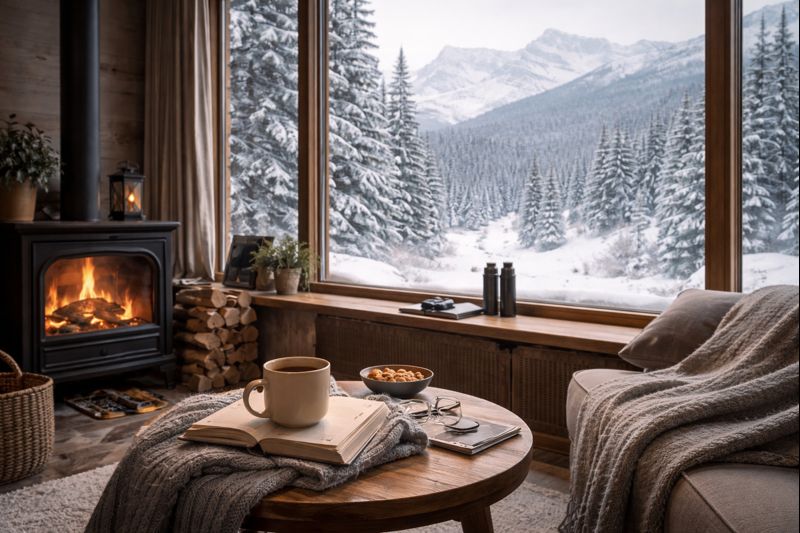
Why Winter Can Feel More Demanding
Colder weather, indoor crowding, stress, and reduced daylight can place additional demands on the immune system. For some adults, recovery from common illnesses may take longer or feel more disruptive.
If concerns persist, professional guidance can help clarify contributing factors and support realistic strategies within Alaska’s seasonal constraints.
When to Seek Professional Guidance
Signs to Discuss with a Professional
Individual Concerns Deserve Personalized Attention
Seasonal changes affect people differently. If winter symptoms feel more intense than usual, interfere with daily life, or complicate existing conditions, a consultation can help you sort priorities and next steps.
Care is educational, collaborative, and designed to fit the realities of rural living, limited travel, and seasonal access challenges.
Ready to Take the Next Step?
1. Choose a time that works for you
2. Meet privately with a provider
3. Get clear, personalized next steps
If you’re unsure whether this is the right fit, a consultation is a place to ask questions—not commit to ongoing care.
What Happens After the Consultation?
If ongoing care is appropriate, you’ll receive guidance on next steps.
If another option is a better fit, you’ll be supported in identifying alternatives.