
WHAT CHANGES DURING SPRING IN ALASKA
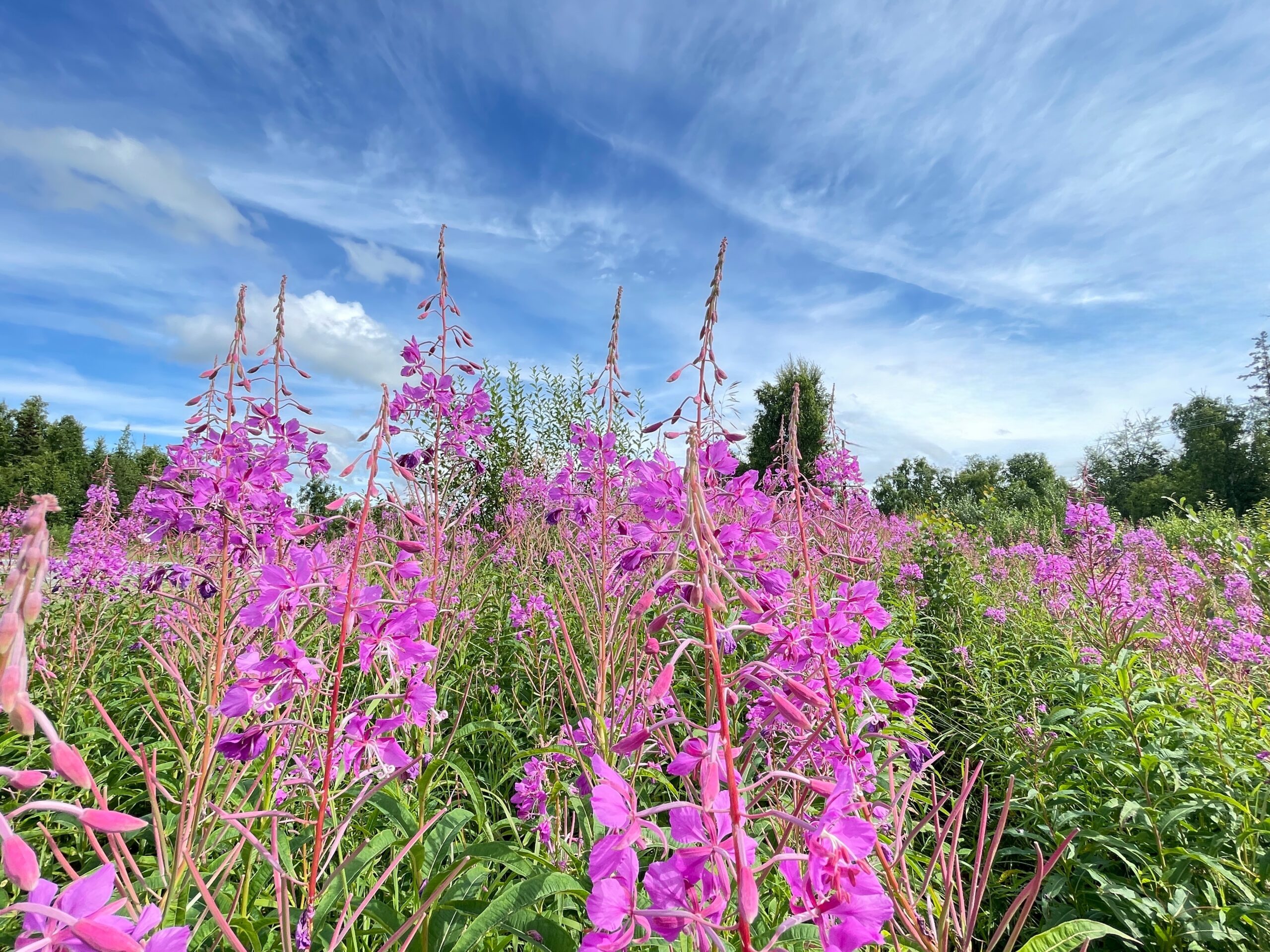
Spring in Alaska is a period of rapid transition.
Daylight increases quickly, daily routines begin to shift, and many people move from a more sedentary winter pattern into increased activity. Travel, work schedules, and outdoor exposure may also change during this time.
These shifts can affect how the body regulates sleep, energy, and physical function.
Why Seasonal Transitions Affect Health
The body responds to changes in light, activity, and routine.
During spring, people may notice:
- Changes in [sleep timing or quality]
- Fluctuations in [energy levels]
- Increased [physical strain] after winter inactivity
- Difficulty re-establishing consistent routines
Recognizing these patterns early can support more stable health across the season.
Common Patterns During Spring
Fatigue
Energy levels may feel inconsistent as the body adjusts to longer days and changing routines. Some people feel more tired even as daylight increases, especially when fatigue is compounded by disrupted [sleep patterns].
Sleep Disruption
Longer daylight hours can make it harder to fall asleep or stay asleep, especially in northern regions where changes in [light exposure] can affect [sleep patterns].
Joint Discomfort
Returning to activity after winter may lead to stiffness or discomfort, particularly when [joint pain or stiffness] becomes more noticeable after a season of reduced movement.
Brain Fog or Headaches
Changes in light exposure and routine can affect concentration and mental clarity. In some cases, [poor sleep] and [fatigue] may contribute to these patterns.
Allergy-Like Symptoms
Snowmelt and environmental changes may contribute to congestion or irritation for some individuals. These symptoms can also affect [sleep quality] and daytime comfort.
Spring in Alaska Is Not the Same Everywhere
Seasonal transitions vary across Alaska.
Some communities experience gradual changes, while others may see rapid shifts in conditions. Travel, access to care, and environmental exposure can differ significantly depending on location.
These differences can influence how symptoms present and how easily care can be accessed.
Maintaining Health Through Seasonal Change
Spring can disrupt routines that were established during winter.
Changes in sleep, activity, and daily structure may create gaps in consistency. Maintaining awareness and planning ahead can help support more stable health across the season, especially for people already managing fatigue, [sleep disruption], or [joint discomfort].
How Alaska Synchronized Healthcare Services Supports You
Alaska Synchronized Healthcare Services provides consultative, education-focused support.
Care is designed to help you:
- Understand patterns affecting your health
- Support chronic conditions over time
- Navigate seasonal changes
- Coordinate with your [existing providers]
This care is not a replacement for [primary care] or specialty care. It is designed to complement and support your overall plan.
Explore whether this approach fits your needs
When to Seek Professional Guidance
Signs to Discuss with a Professional
Individual Concerns Deserve Personalized Attention
Seasonal transitions affect people differently. If spring related changes feel more intense than usual or complicate existing conditions, a consultation can help clarify priorities and next steps.
Care is educational, collaborative, and designed to fit the realities of rural living, limited travel, and seasonal access challenges.
Ready to Take the Next Step?
1. Choose a time that works for you
2. Meet privately with a provider
3. Get clear, personalized next steps
If you’re unsure whether this is the right fit, a consultation is a place to ask questions—not commit to ongoing care.
What Happens After the Consultation?
If ongoing care is appropriate, you’ll receive guidance on next steps.
If another option is a better fit, you’ll be supported in identifying alternatives.