
Summer Wellness Through Functional Medicine
Seasonal health guidance for adults living in Alaska
Alaska summers bring long daylight, higher activity, travel, and busy schedules. Many adults feel better in summer, yet others notice sleep disruption, dehydration, breathing irritation during smoke events, and energy swings after extended days.
These consultations are designed to support, not replace, your primary care, VA, or specialty services. The focus is on education, planning, and continuity that fits Alaska’s travel burden and access realities.
Friendly, one on one virtual consultations to help you understand your options and next steps.
Secure video or phone • No obligation

Understanding Summer’s Impact on Your Body
Environmental Shifts
Extended daylight can shift circadian rhythm and sleep timing. Heat, sun exposure, and seasonal air quality changes may influence hydration needs, breathing comfort, and recovery, particularly in rural or remote communities with limited local options.
Lifestyle Adaptations
Long days often mean more movement, more travel, and less predictable routines. Meals may become irregular, bedtime may shift later, and recovery time can shrink during busy weeks.
Common Summer Symptoms Adults Experience
Sleep Disruption
Long daylight and late evening light exposure can make it harder to fall asleep or stay asleep, even when you feel physically tired.
Dehydration and Headaches
Increased activity, sun exposure, and warmer temperatures can raise fluid and electrolyte needs, sometimes leading to headaches or lightheadedness.
Breathing Irritation
Smoke, dust, or poor air quality can contribute to throat irritation, cough, or chest discomfort for some adults.
Energy Boom and Bust
Pushing hard through long days without adequate recovery can lead to fatigue, irritability, or difficulty concentrating.
The Science Behind Long Day Fatigue
Light exposure later into the evening signals the brain to stay alert longer, which can delay normal sleep timing. Over time, sleep debt and reduced sleep depth may affect mood, appetite regulation, and energy stability.
A functional medicine approach looks at patterns across sleep rhythm, hydration, nutrition timing, stress load, and environmental exposures to clarify what is contributing and where practical adjustments may help.
Winter's Effect on Key Body Systems
Hydration Status
Hydration needs often increase in summer. Electrolyte balance can also matter during higher activity and warmer weather.
Movement Patterns
More movement can be beneficial, especially when paired with recovery, mobility support, and realistic pacing.
Sleep Quality
Sleep timing and evening light exposure often determine how steady summer energy feels.
Nutritional Intake
Busy schedules can lead to skipped meals or reliance on convenience foods, which may contribute to blood sugar swings and fatigue.
Summer Air Quality and Breathing Comfort
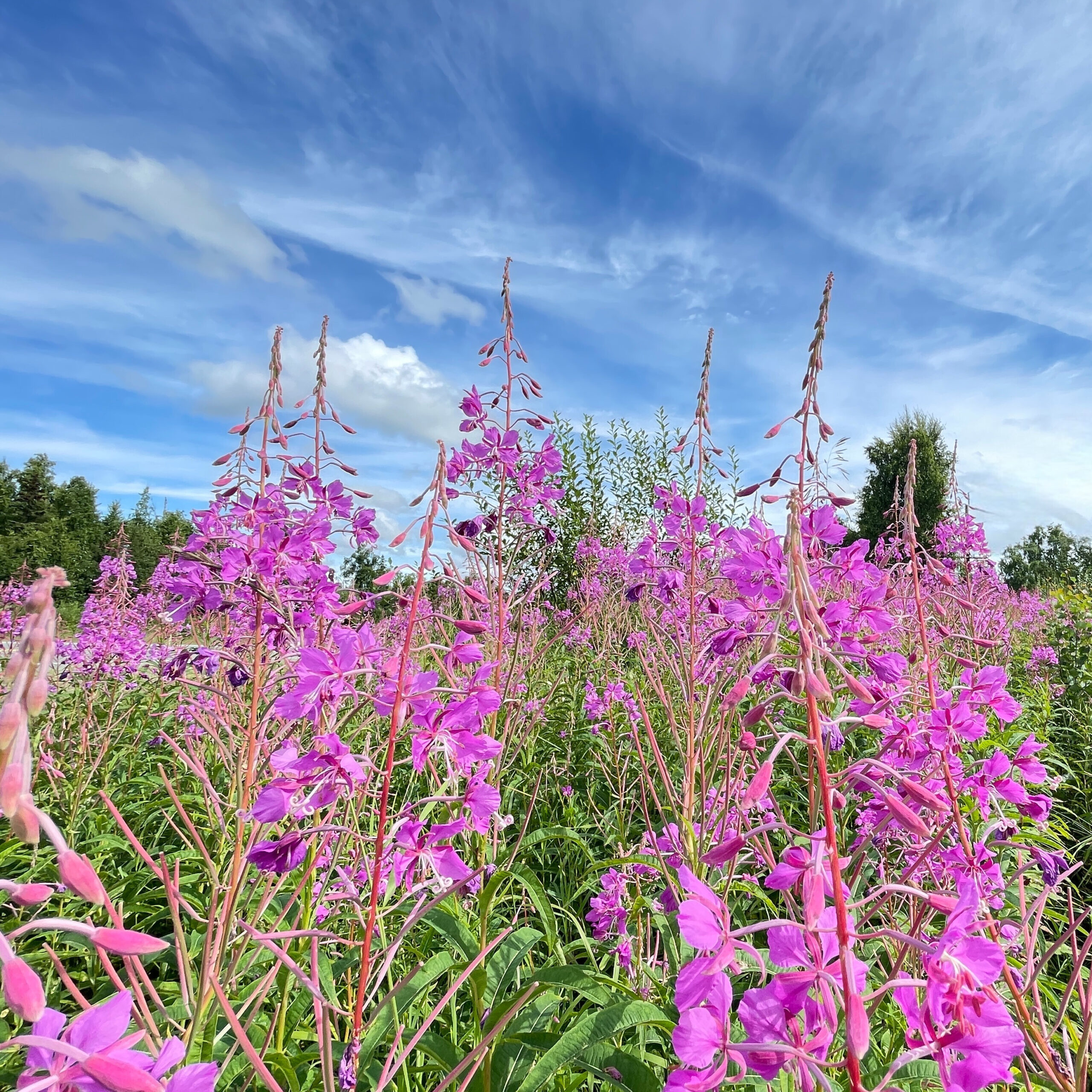
Why Smoke Events Can Affect More Than Breathing
Seasonal air quality changes can influence breathing comfort, sleep quality, and overall energy. When smoke is persistent, symptoms may last longer than expected, especially for adults with asthma, allergies, or chronic cardiopulmonary conditions.
If breathing irritation is ongoing or interferes with daily activities, professional guidance may help clarify what is seasonal and what may need further evaluation.
When to Seek Professional Guidance
Signs to Discuss with a Professional
Individual Concerns Deserve Personalized Attention
Seasonal patterns differ from person to person. If summer related changes feel more intense than usual, interfere with daily function, or complicate existing conditions, a consultation can help clarify priorities and next steps.
Care is educational, collaborative, and designed to fit the realities of rural living, limited travel, and seasonal access challenges.
Ready to Take the Next Step?
1. Choose a time that works for you
2. Meet privately with a provider
3. Get clear, personalized next steps
If you’re unsure whether this is the right fit, a consultation is a place to ask questions—not commit to ongoing care.
What Happens After the Consultation?
If ongoing care is appropriate, you’ll receive guidance on next steps.
If another option is a better fit, you’ll be supported in identifying alternatives.